
Essential Information for Successful Projects
Drywall is an essential part of modern construction, providing a smooth finish for walls and ceilings. Whether you are a professional contractor or a DIY enthusiast, understanding the basics of drywall installation and repairs can save time and money. This guide will explore the key aspects of installing and repairing drywall, helping you achieve professional results without stress.
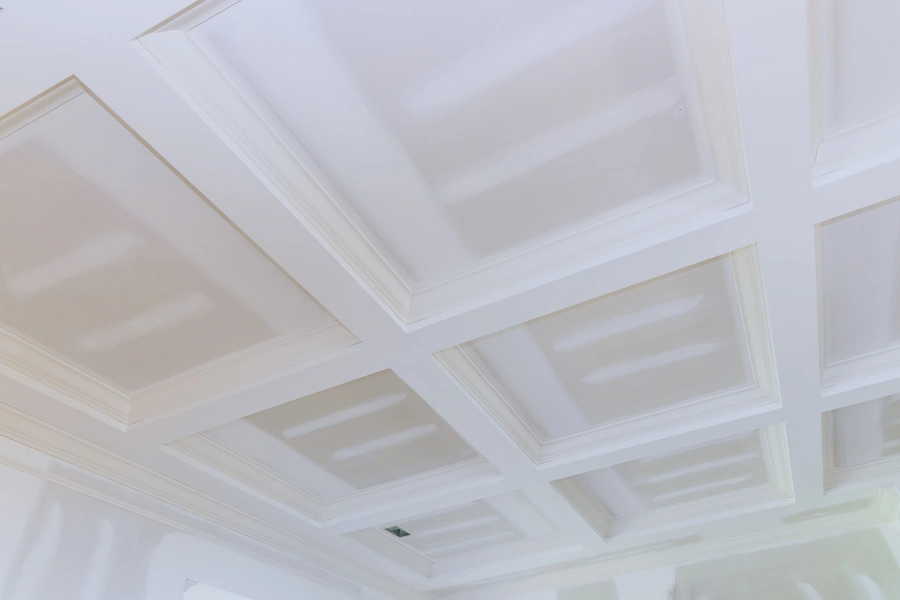
What You Need to Know About Drywall Materials
The first step in any drywall project is choosing the right materials. Standard drywall comes in sheets of gypsum sandwiched between two layers of paper. It is available in various thicknesses, with half-inch being the most common for interior walls. For areas prone to moisture, like bathrooms, consider moisture-resistant drywall. Selecting the right material ensures durability and ease during installation.
Tools Required for Installation
Before beginning your drywall project, gather all necessary tools. You will need measuring tape, a utility knife, a T-square, a drill with screws, and a drywall saw. Additionally, joint compound, a taping knife, and sanding tools are essential for finishing work. Using the right tools makes the process more efficient and helps achieve a clean result.

Step-by-Step Installation Process
Installing drywall requires precision and patience. Follow these steps for successful installation:
- Measure and cut your drywall sheets to fit your space.
- Screw the drywall sheets into place, starting at the top corner of the room.
- Apply joint tape over seams between sheets.
- Use a taping knife to spread joint compound over taped areas.
- Allow compound to dry before sanding it smooth.
- Repeat application and sanding until seams are invisible.
Common Challenges in Drywall Installation
Several challenges can arise during drywall projects. Misaligned seams or poorly secured sheets can lead to cracks. Uneven application of joint compound might cause visible lines after painting. Address these issues by double-checking measurements and ensuring even pressure when applying compound. Regular practice also improves technique over time.
Effective Repair Techniques
Repairing damaged drywall involves assessing the extent of damage first. Small holes can be patched with mesh patches covered by joint compound. Larger holes may require cutting out the damaged area and fitting a new piece of drywall. Always ensure that the patch matches the surrounding surface as closely as possible for seamless integration.
Cost Considerations for Drywall Projects
The cost of drywall services varies based on size and complexity. Material costs are generally affordable, but labor can increase expenses if hiring professionals. Doing it yourself saves labor costs, though it takes time and effort to perfect technique. Consider your budget and skills when deciding between doing it yourself or hiring a pro.
Your Reliable Partner for Quality Results
If you are looking for expert help, look no further than Valley Design Construction. We specialize in delivering high-quality service in Antelope, CA. Our team is committed to excellent workmanship in every project. Reach out to us at (916) 222-6450 to learn how we can assist with your drywall needs today.